


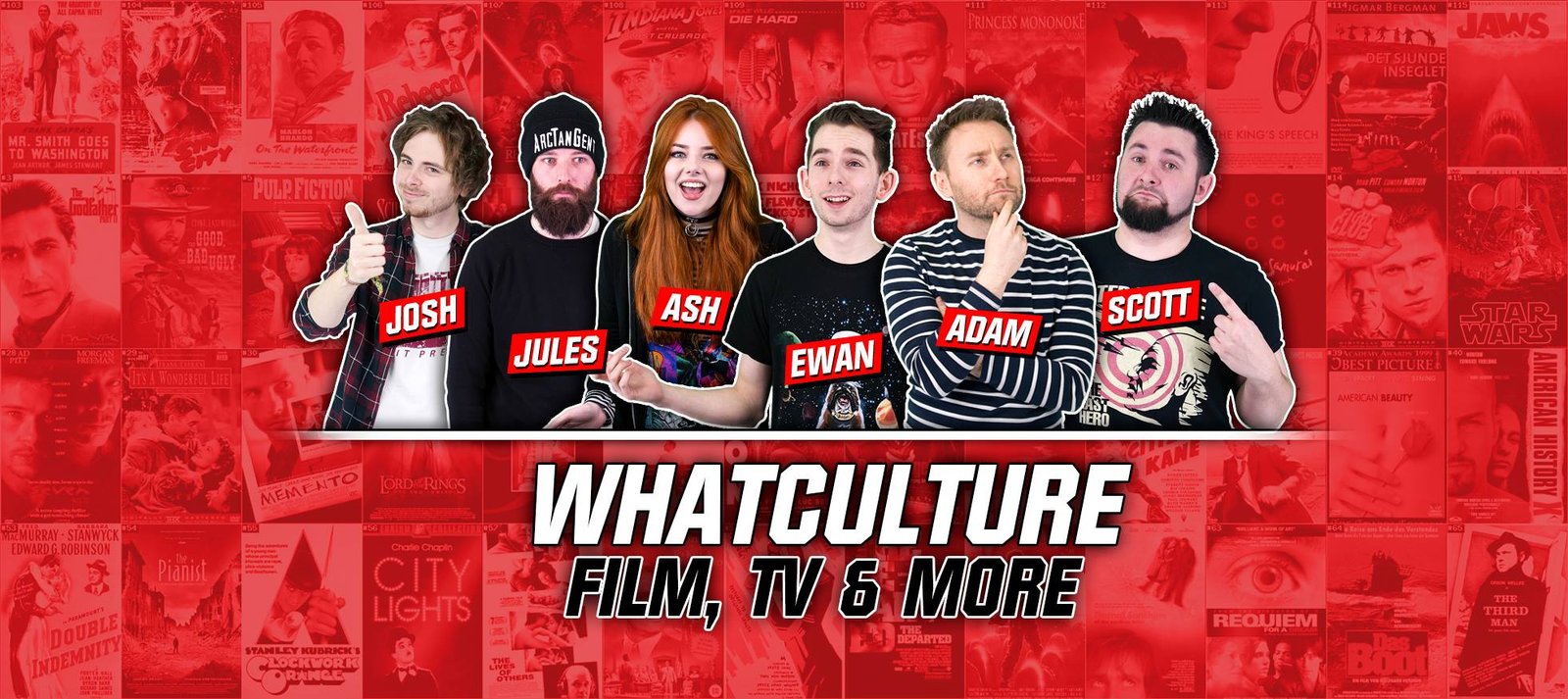
In the ever-evolving world of digital media, few platforms have managed to carve out a distinct identity as successfully as WhatCulture. Known for its engaging articles, viral videos, and deep dives into entertainment, WhatCulture has become a household name among fans of wrestling, movies, TV shows, gaming, and pop culture at large. From listicles that spark debate to insightful commentary that fuels fandom discussions, WhatCulture has established itself as a powerful voice in online entertainment journalism.
This in-depth article explores WhatCulture’s history, content strategy, impact, controversies, audience appeal, and future outlook, offering a complete picture of why it remains so influential today.
What Is WhatCulture?
WhatCulture is a UK-based digital media company that focuses on entertainment news and commentary. Founded in 2006, the platform initially gained attention through written content, especially list-based articles that appealed to internet readers looking for quick yet engaging insights.
Over time, WhatCulture expanded into YouTube, podcasts, and social media, transforming itself into a multimedia brand with millions of followers worldwide.
Core Areas of Coverage
WhatCulture covers a wide range of entertainment categories, including:
Professional wrestling (WWE, AEW, indie promotions)
Movies and film analysis
TV shows and streaming content
Video games and gaming culture
Comic books and superheroes
Internet trends and fandom debates
This diversity allows WhatCultures to reach multiple audience segments while maintaining a unified brand voice.
The History and Evolution of WhatCulture
Early Beginnings (2006–2012)
WhatCulture started as a written-content platform, publishing pop culture articles designed for easy consumption. During this period, listicles like “10 Movie Twists You Didn’t See Coming” helped the site gain traction on social media platforms such as Facebook.
The website’s success stemmed from its ability to blend entertainment journalism with accessible language, making it appealing to casual readers and hardcore fans alike.
The Rise of YouTube (2013–2016)
The true turning point for WhatCultures came with its expansion to YouTube. The channel quickly gained millions of subscribers, particularly due to its wrestling content.
Charismatic presenters, structured scripts, and consistent uploads allowed WhatCultures to dominate YouTube search results related to wrestling and entertainment.
Brand Restructuring and Spin-Offs (2017–2019)
In 2017, several prominent presenters left WhatCulture to form independent platforms. While this created challenges, WhatCulture responded by restructuring its team and refining its content strategy.
New faces emerged, and the brand leaned more heavily into specialized channels such as:
WhatCulture Wrestling
WhatCulture Gaming
WhatCulture Horror
This move allowed for greater niche targeting while keeping the main brand intact.
WhatCulture’s Content Strategy
The Power of Listicles
One of WhatCulture’s most recognizable formats is the listicle. Whether it’s “10 Wrestlers Who Were Fired for Ridiculous Reasons” or “15 Movies That Completely Lied to You,” the format is designed to:
Capture attention quickly
Encourage sharing
Spark debate in comment sections
Listicles remain effective because they balance entertainment and information in a digestible structure.
Opinion-Driven Commentary
WhatCultures doesn’t shy away from strong opinions. Its writers and presenters often take clear stances on controversial topics, which helps generate engagement and discussion.
This approach builds loyalty among fans who appreciate authentic viewpoints, even when they disagree.
Consistency and Frequency
Another key to WhatCulture’s success is its high output. The platform publishes content daily across multiple channels, ensuring there is always something new for audiences to consume.
WhatCulture Wrestling – A Major Pillar of the Brand
Why Wrestling Content Works So Well
Professional wrestling fans are among the most passionate communities online. WhatCultures recognized this early and invested heavily in wrestling coverage.
Their wrestling content includes:
Weekly show reviews
News and backstage rumors
Historical retrospectives
Fantasy booking and “what if” scenarios
Relationship With Wrestling Fans
WhatCultures Wrestling thrives on fan interaction. Comment sections, polls, and social media discussions allow fans to feel involved, creating a sense of community around the brand.
WhatCulture on YouTube and Social Media
YouTube Growth and Reach
WhatCulture’s YouTube channels collectively boast millions of subscribers and billions of views. The platform’s success on YouTube can be attributed to:
Click-worthy but relevant titles
Strong thumbnails
Clear presentation style
Consistent scheduling
Social Media Presence
Beyond YouTube, WhatCulture maintains active profiles on:
X (formerly Twitter)
These platforms help distribute content quickly and drive traffic back to their main site and videos.
Criticism and Controversies
Accusations of Clickbait
One of the most common criticisms of WhatCultures is its use of clickbait-style headlines. While these titles often deliver on their promise, some readers feel they exaggerate content for views.
Presenter Departures and Internal Changes
The departure of popular presenters in the late 2010s led to skepticism about the brand’s future. However, WhatCultures managed to recover by focusing on brand identity rather than individual personalities.
Balancing Speed and Accuracy
Like many online media outlets, WhatCultures occasionally faces criticism for prioritizing speed over depth. In response, the platform has made efforts to improve sourcing and analysis, especially in news-related content.
Why WhatCulture Appeals to a Global Audience
Relatable Tone and Language
WhatCulture’s conversational style makes complex topics accessible. The content feels like a discussion among fans rather than formal journalism.
Nostalgia and Modern Trends
By covering both classic moments and current trends, WhatCultures appeals to older fans while staying relevant to younger audiences.
Community Engagement
WhatCulture encourages viewers and readers to share opinions, vote in polls, and debate topics, fostering a strong sense of belonging.
WhatCulture vs Other Pop Culture Platforms
How It Stands Out
Compared to other entertainment sites, WhatCulture stands out due to:
Its heavy focus on opinion-based content
A strong wrestling niche
Presenter-driven video formats
High-frequency publishing schedule
Competition in the Digital Media Space
While platforms like Screen Rant, Collider, and IGN offer more traditional journalism, WhatCulture thrives on fan-centric storytelling and personality-driven commentary.
The Business Model Behind WhatCulture
Advertising and Monetization
WhatCulture generates revenue primarily through:
Display advertising
YouTube ad revenue
Sponsored content
Affiliate links
Brand Partnerships
Collaborations with entertainment brands and game publishers help WhatCultures monetize its large audience while maintaining editorial independence.
The Future of WhatCulture
Adapting to Algorithm Changes
As social media and YouTube algorithms evolve, WhatCulture continues to adjust its content length, titles, and formats to remain visible.
Expanding Into New Formats
Podcasts, live streams, and long-form video essays represent potential growth areas for the brand.
Maintaining Trust and Credibility
To remain relevant, WhatCultures must balance entertainment with accuracy, ensuring that trust remains intact with its audience.
Impact of WhatCulture on Online Pop Culture
WhatCultures has influenced how entertainment content is consumed online. Its success demonstrated that fan-driven media could compete with traditional outlets.
By blending humor, opinion, and analysis, WhatCultures helped shape the modern landscape of pop culture commentary.
Conclusion
WhatCulture is more than just a website or YouTube channel—it is a digital entertainment ecosystem. Through consistent content, passionate presenters, and a deep understanding of fandom culture, WhatCulture has cemented its place as a leading voice in online pop culture media.
Despite facing criticism and internal changes, the platform continues to evolve, adapting to new trends while staying true to its core mission: entertaining and engaging fans around the world. As digital media continues to grow, WhatCulture’s influence is likely to remain strong for years to come.
FAQs
What is WhatCulture best known for?
WhatCulture is best known for its pop culture listicles, wrestling coverage, and YouTube videos focused on entertainment commentary.
Is WhatCulture a reliable source for entertainment news?
While WhatCulture focuses heavily on opinion and commentary, it generally provides accurate information, especially when covering confirmed news.
Why did some presenters leave WhatCulture?
Several presenters left to pursue independent projects, leading to a restructuring phase for the company.
Does WhatCulture only focus on wrestling?
No, while wrestling is a major pillar, WhatCulture also covers movies, TV shows, gaming, and general pop culture.
Is WhatCulture still popular today?
Yes, WhatCulture remains highly popular, with millions of followers across YouTube and social media platforms.
